

Las 10 mejores plataformas de microaprendizaje (gratuitas y de pago)
Descubre las mejores plataformas de microaprendizaje para un aprendizaje rápido y enfocado. Explora las herramientas que usan los profesionales para aprender nuevas habilidades mediante lecciones cortas que se adaptan a jornadas laborales ajetreadas.


Cree módulos de capacitación breves y de alta retención en minutos
Intentar recordar grandes bloques de información rara vez funciona. Piensa en largas sesiones de estudio que se desvanecieron de la memoria días después. Hermann Ebbinghaus curva del olvido Esto demuestra la rapidez con la que nuestro cerebro olvida cuando está sobrecargado.
plataformas impulsadas por IA Divide el contenido en lecciones cortas. La investigación demuestra 58% de los trabajadores Prefiero este método a la formación tradicional. Esta guía explora las mejores plataformas de microaprendizaje para profesionales para que encuentres la que mejor se adapte a ti.
Divulgación completa: Este blog pertenece a Coursebox y está gestionado por esta empresa. Si bien nos incluimos en esta lista porque creemos en nuestra plataforma, hemos proporcionado un análisis objetivo de sus características para ayudarte a elegir la opción que mejor se adapte a ti.
Las mejores plataformas de microaprendizaje: Nuestras 10 mejores opciones
Aquí tienes un análisis de algunas de las mejores plataformas de microaprendizaje del mercado:
1. Axonificar
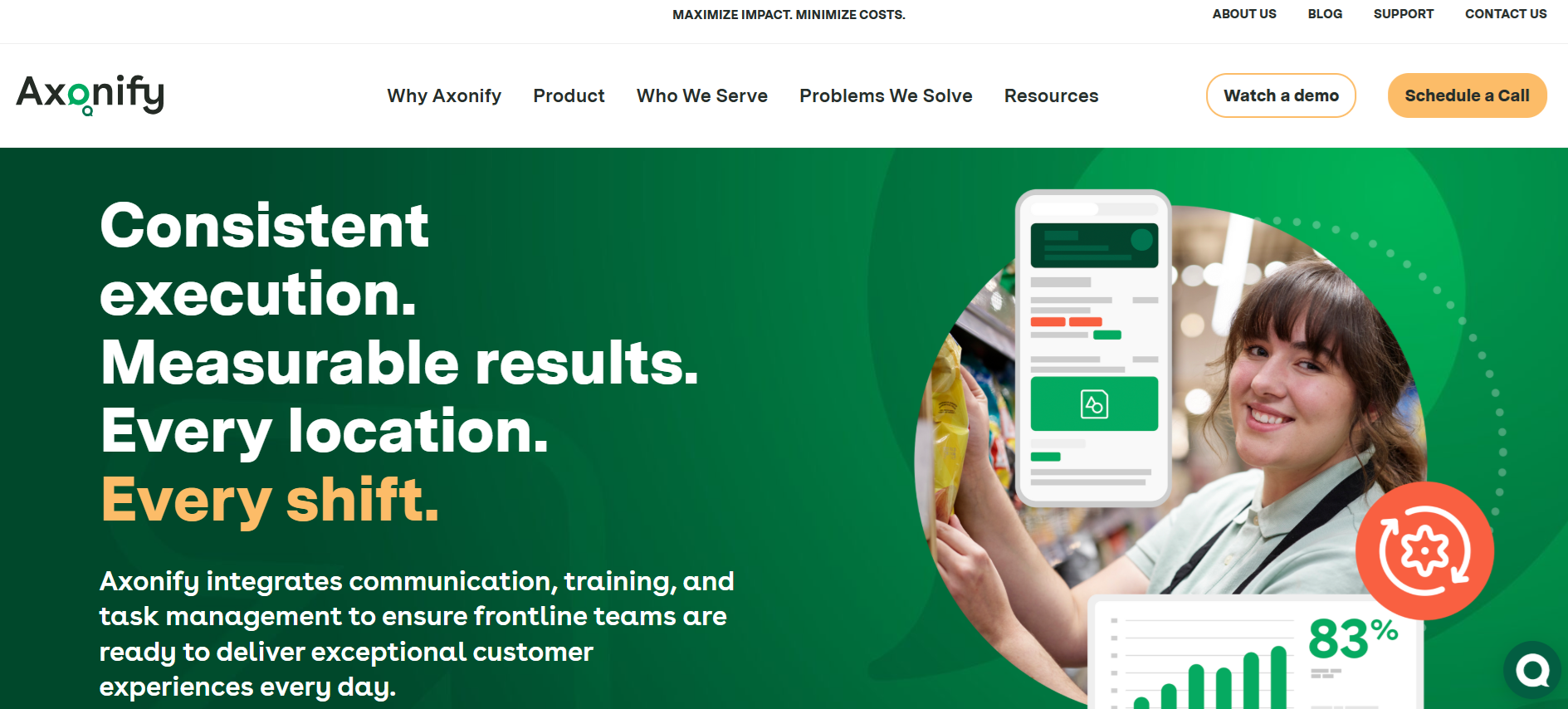
Axonificar Esta plataforma ofrece capacitación para equipos de primera línea mediante lecciones breves y concisas. Es ideal para empresas con un gran número de empleados que no trabajan en oficinas y que necesitan acceso rápido al aprendizaje durante la jornada laboral.
La IA personaliza las lecciones en función del rendimiento, lo que ayuda a reforzar el conocimiento con el tiempo. Los gerentes pueden supervisar el progreso, detectar deficiencias en las habilidades y evaluar el impacto de la capacitación mediante informes detallados. Encuestas integradas Ayudar a recopilar las opiniones de los empleados y a medir su nivel de participación.
El acceso móvil permite un aprendizaje flexible en diferentes ubicaciones y turnos. Algunos usuarios reportan dificultades de uso, especialmente durante la configuración y la navegación diaria, lo que podría requerir asistencia adicional durante el proceso de incorporación.
Características principales:
- Personalización de lecciones impulsada por IA
- Acceso al aprendizaje priorizando los dispositivos móviles
- Seguimiento del progreso y análisis
- Encuestas y comentarios de los empleados
- Integraciones de sistemas
2. LearnUpon
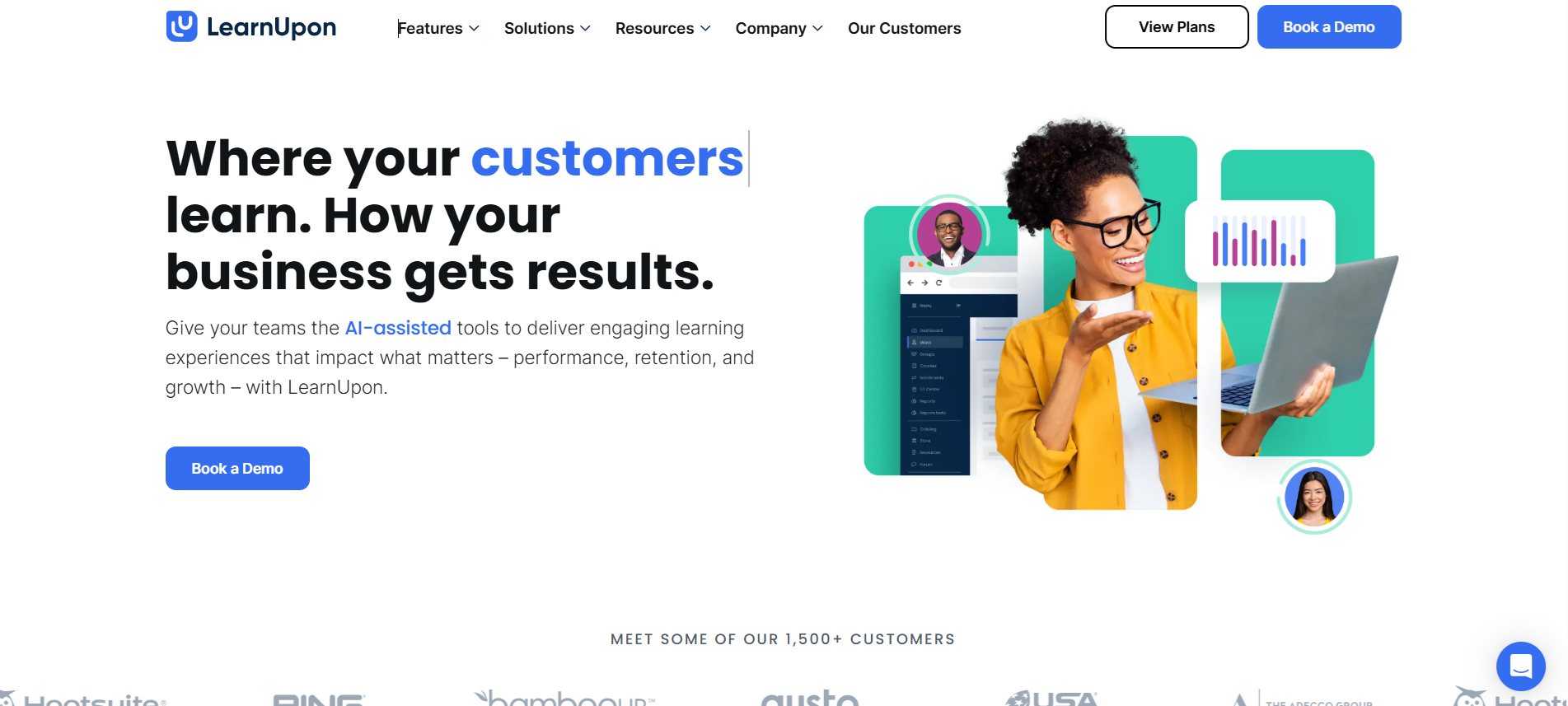
Aprende en apoya la capacitación breve para empleados, socios y clientes a través de un Sistema de gestión del aprendizaje corporativo (LMS)Esta plataforma es ideal para empresas que gestionan el aprendizaje en múltiples equipos o portales. Las herramientas de creación de cursos admiten vídeos, cuestionarios y evaluaciones, formatos que se adaptan perfectamente al microaprendizaje.
Las funciones de gamificación fomentan la participación, algo que muchos empleados valoran durante la formación laboral. Las herramientas de generación de informes permiten realizar un seguimiento del progreso y la finalización de los cursos en todos los grupos. El acceso móvil facilita el aprendizaje durante el horario laboral o en horarios remotos. Las opciones de integración conectan LearnUpon con herramientas empresariales comunes. Las opciones de personalización son limitadas y la profundidad de los informes puede no satisfacer las necesidades de análisis avanzado, especialmente para programas de formación con gran cantidad de datos.
Características principales:
- Creación y evaluación de cursos
- Configuración de aprendizaje multiportal
- Herramientas de gamificación
- Acceso adaptado a dispositivos móviles
- Integraciones e inicio de sesión único
3. Spekit
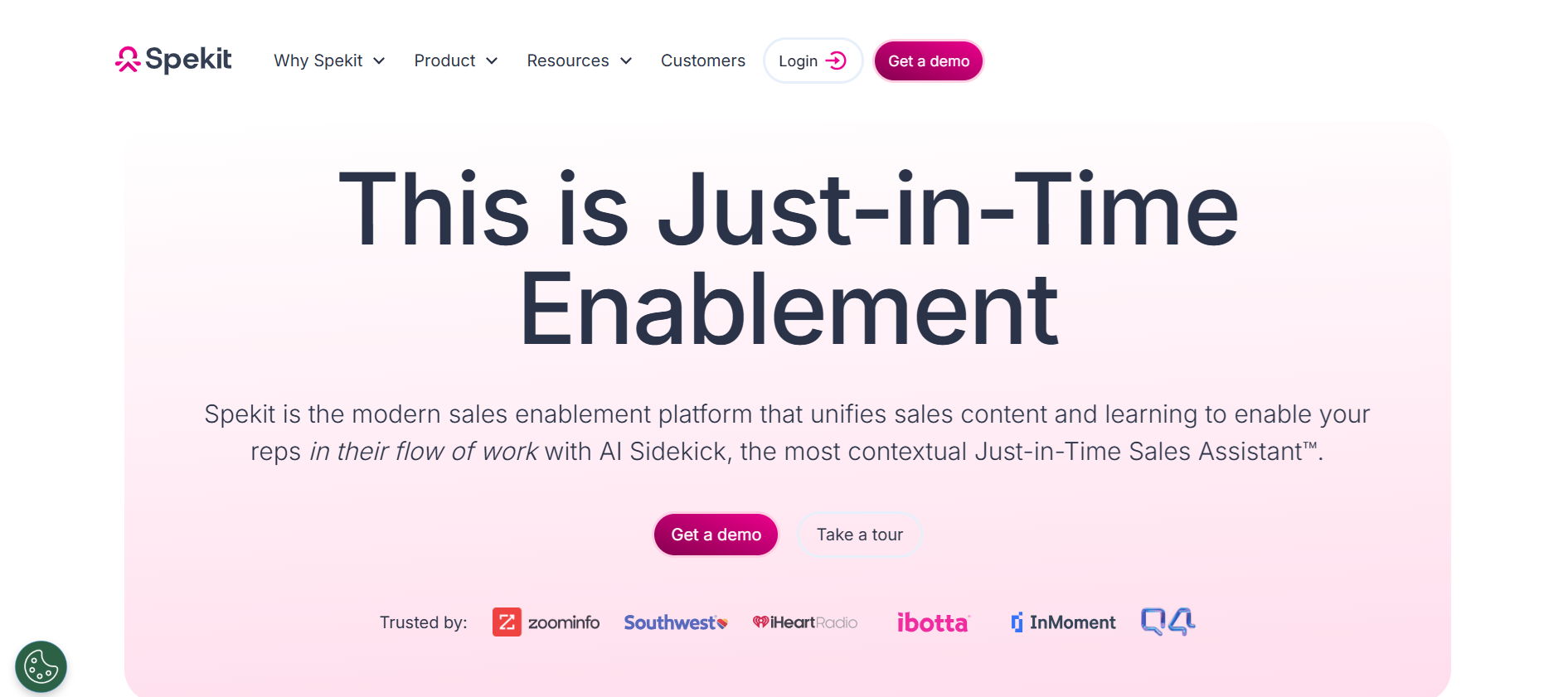
Spekit Ayuda a los equipos a aprender directamente dentro de los flujos de trabajo diarios a través del microaprendizaje integrado. Esta plataforma se adapta a equipos remotos y de ritmo acelerado que necesitan respuestas rápidas mientras trabajan. Diseñada pensando en los equipos de ventas, Spekit Se conecta con Salesforce y otras herramientas para facilitar la incorporación de nuevos usuarios y las actualizaciones de productos.
Una extensión de Chrome permite acceder instantáneamente a las tarjetas de aprendizaje sin cambiar de aplicación. Los flujos de aprendizaje guían a los usuarios paso a paso a través de las tareas. Las herramientas de informes muestran el uso y el rendimiento del contenido.
Las funciones de comunicación permiten actualizaciones y comentarios en tiempo real. Spekit carece de aprendizaje gamificado, lo que puede limitar la participación de los equipos que prefieren formatos competitivos o basados en recompensas.
Características principales:
- Tarjetas y plantillas de aprendizaje
- Extensión del navegador Chrome
- Integraciones de Salesforce y Slack
- Flujos y flujos de aprendizaje
- Informes de uso y comentarios
4. Coursebox AI
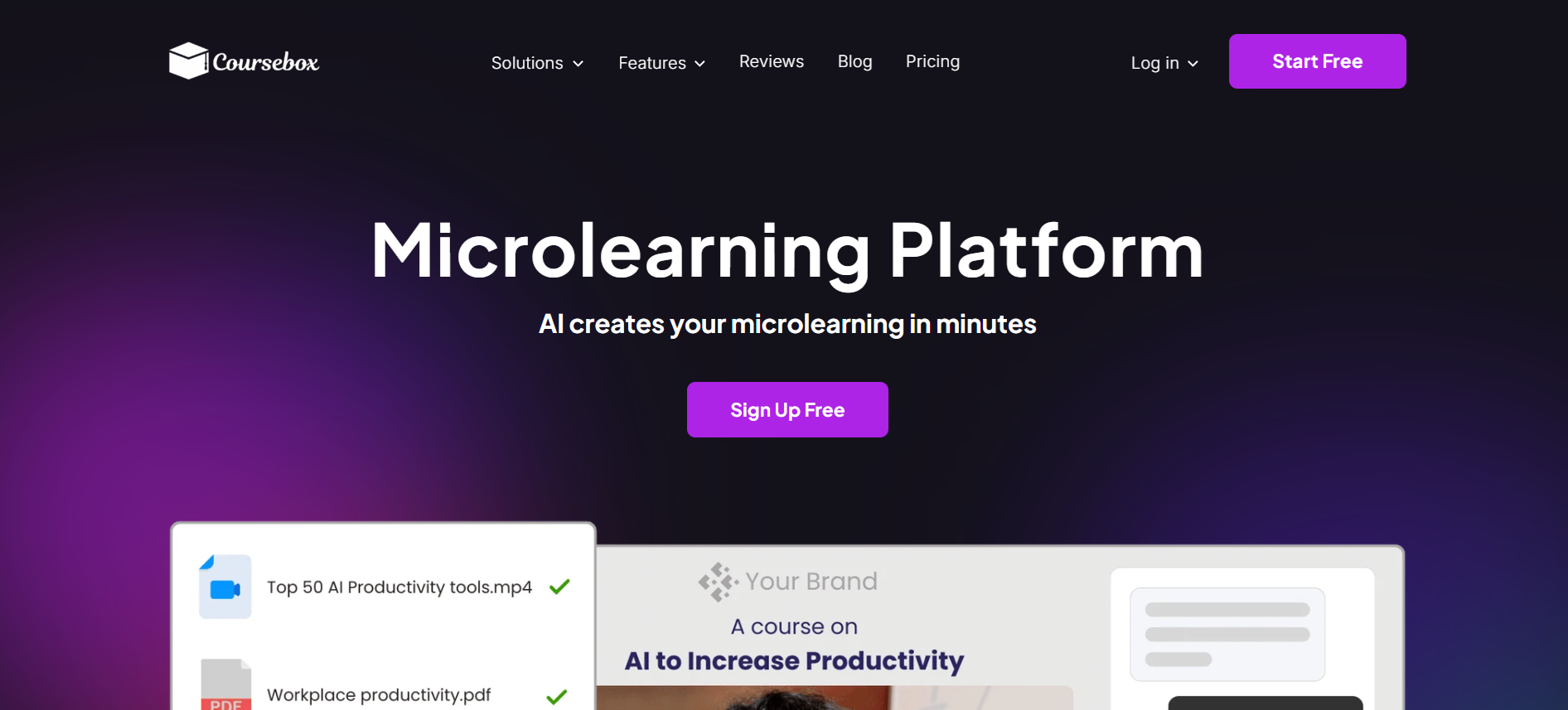
Coursebox AI Coursebox es una plataforma de aprendizaje impulsada por IA que admite el microaprendizaje como parte de la creación de cursos más amplios: los usuarios convierten documentos, diapositivas, videos o contenido web en microlecciones estructuradas con cuestionarios, tarjetas didácticas y actividades de arrastrar y soltar. La entrega de LMS de marca blanca, las aplicaciones móviles de marca, la compatibilidad con más de 100 idiomas y un plan gratuito hacen que sea flexible para su implementación. Coursebox es una excelente opción cuando el microaprendizaje se combina con la impartición de cursos completos en lugar de ser el único formato de capacitación. Las organizaciones centradas específicamente en el microaprendizaje de primera línea con refuerzo adaptativo y estímulos conductuales suelen considerar Axonify, y los equipos que buscan microaprendizaje diseñado a medida con lecciones en formato de tarjeta optimizadas para móviles a veces consideran 7taps o TalentCards.
Características principales:
- Creación de microlecciones y cursos con IA en minutos
- Convierta los archivos existentes en módulos de capacitación estructurados.
- Aprendizaje interactivo: tarjetas interactivas, cuestionarios, arrastrar y soltar.
- Sistema de gestión del aprendizaje (LMS) de marca y opciones de entrega de aplicaciones móviles
- Enlaces compartibles o elementos integrados en el LMS para un fácil acceso.
- Soporte para más de 100 idiomas para equipos globales.
- chatbots de IA para brindar apoyo al estudiante en tiempo real
- Generación de vídeo mediante IA con avatares en varios idiomas
- Informes detallados y seguimiento del progreso del alumno
- Integración perfecta con sistemas LMS, sistemas de recursos humanos y herramientas.
5. Tovuti LMS
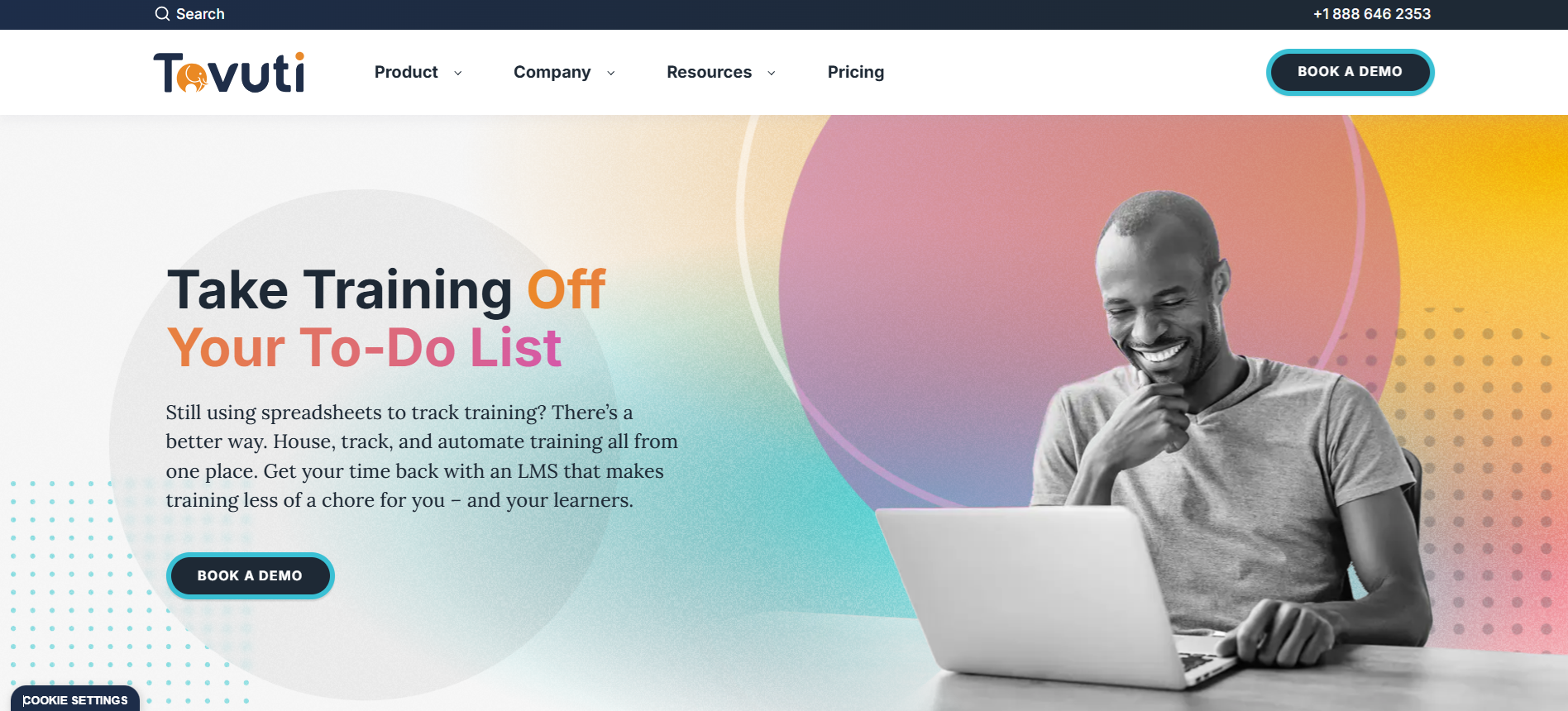
Tovuti LMS Esta solución permite crear, impartir y realizar el seguimiento de programas de aprendizaje digital a través de una plataforma en la nube. Es ideal para equipos con experiencia previa en sistemas de gestión del aprendizaje (LMS) que buscan opciones de microaprendizaje estructurado y formación en directo. Las herramientas de creación de cursos permiten controlar el acceso a las lecciones, realizar el seguimiento del progreso y gestionar las evaluaciones.
Las funciones de gamificación, como las tablas de clasificación, ayudan a aumentar la participación. Las aulas virtuales admiten sesiones en vivo junto con contenido bajo demanda. Las herramientas de la comunidad fomentan Interacción y debate entre pares.
Las opciones de personalización y marca ayudan a alinear la formación con la identidad de la empresa. El acceso móvil facilita el aprendizaje en diferentes dispositivos. Algunos usuarios reportan una curva de aprendizaje más pronunciada en comparación con plataformas de microaprendizaje más sencillas.
Características principales:
- Creación de cursos y control de acceso a las lecciones
- Gamificación y tablas de clasificación
- aulas virtuales en directo
- Herramientas para comunidades y marcas
- Acceso adaptado a dispositivos móviles
6. eduMe
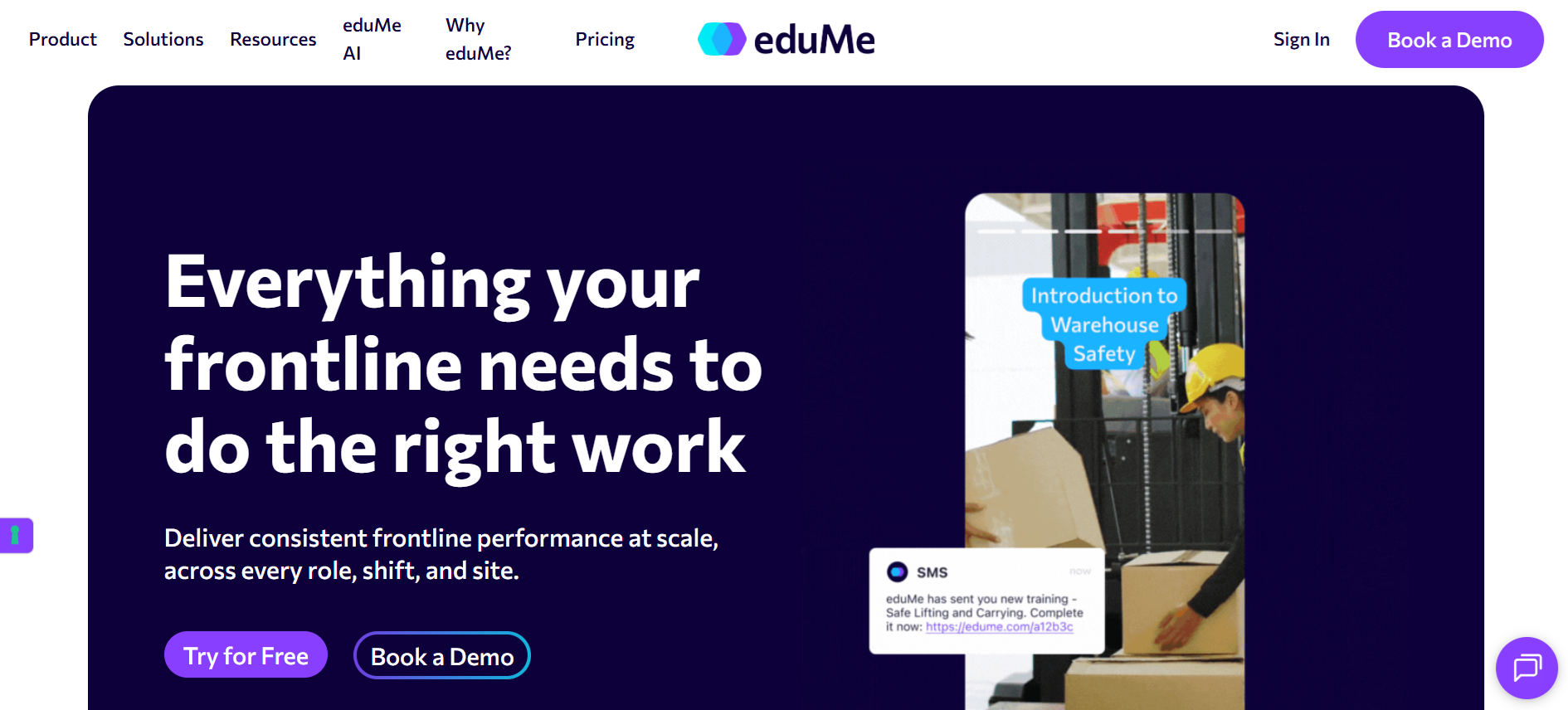
eduMe ofrece capacitación centrada en dispositivos móviles para la incorporación de nuevos empleados. mejorar las habilidadesy formación en primera línea. Esta plataforma integra la formación directamente en herramientas como Microsoft Teams y sistemas de recursos humanos como Workday. Los alumnos acceden al contenido mientras trabajan, lo que facilita la retención y ahorra tiempo.
Las herramientas de creación de contenido permiten crear lecciones cortas, encuestas y cuestionarios. El análisis en tiempo real ayuda a monitorizar la participación y el rendimiento. El acceso sin contraseña simplifica el inicio de sesión para grandes equipos. La compatibilidad con varios idiomas facilita la formación a equipos de trabajo globales. eduMe es ideal para organizaciones con equipos que no trabajan en oficinas y que necesitan un aprendizaje flexible y móvil.
Características principales:
- Entrega de aprendizaje centrada en dispositivos móviles
- Integraciones con Teams y herramientas de RR. HH.
- estudio de creación de contenido
- Análisis y encuestas en tiempo real
- Soporte multilingüe
7. Tarjetas de Talento
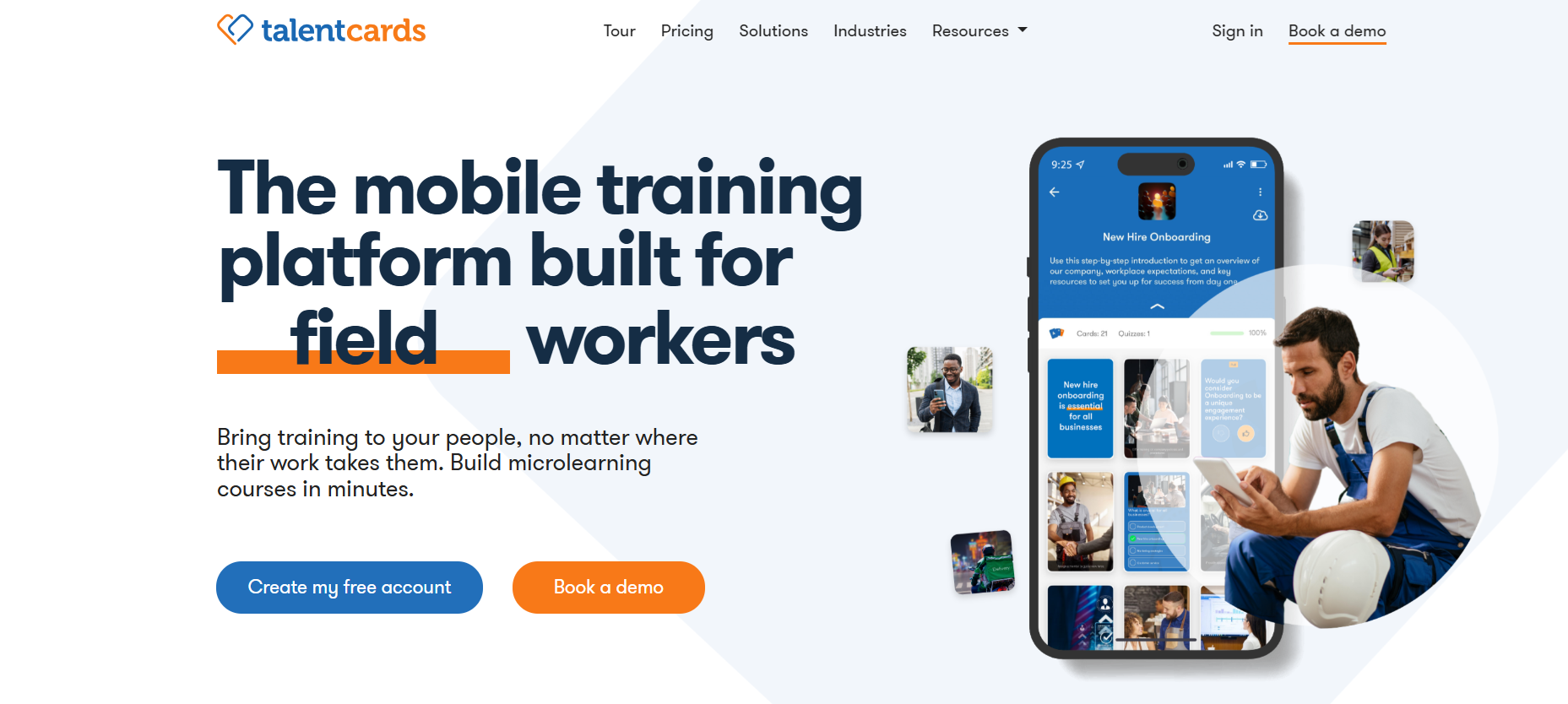
Tarjetas de talento admite la formación móvil para trabajadores de primera línea y equipos remotos mediante lecciones cortas basadas en tarjetas didácticas. Esta plataforma se centra en sesiones de aprendizaje rápidas que se adaptan a agendas apretadas. La IA ayuda a agilizar la creación de cursos de microaprendizaje. La aplicación móvil permite el acceso sin conexión, lo que facilita el aprendizaje de los equipos sin necesidad de conexión constante.
Las microevaluaciones gamificadas refuerzan el conocimiento y mejorar las tasas de finalización. La compatibilidad con varios idiomas se adapta a equipos globales. Los análisis permiten realizar un seguimiento del progreso y la participación del alumno. Los formatos de contenido limitados y las pocas integraciones pueden restringir su uso para programas de capacitación complejos o equipos que trabajan en la oficina.
Características principales:
- Formato de aprendizaje tipo tarjetas didácticas
- Creación de cursos impulsada por IA
- Aplicación móvil con acceso sin conexión
- Microevaluaciones gamificadas
- Soporte multilingüe
8. Capacitación de SC
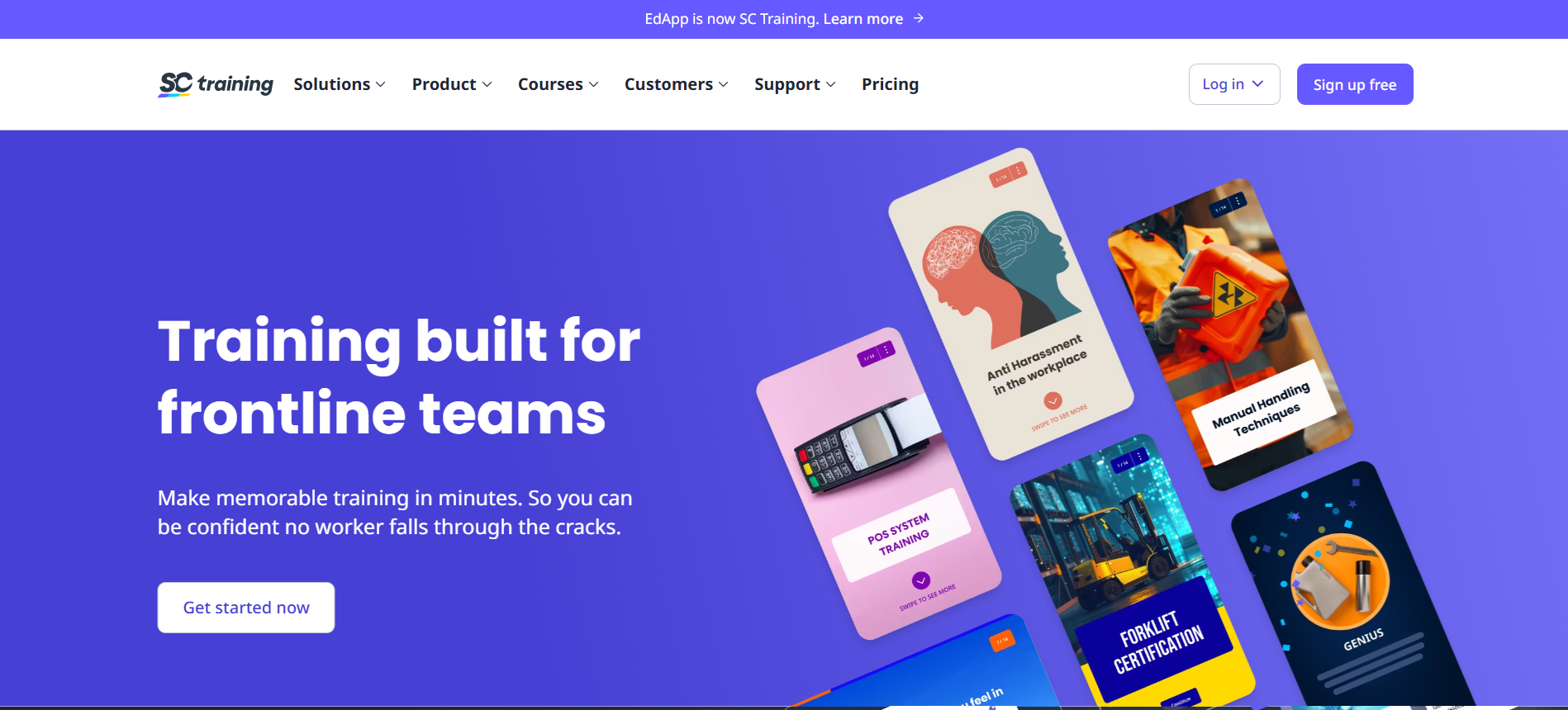
Capacitación SC Apoya la formación corporativa a través de una plataforma de microaprendizaje con muchas funciones. Las herramientas impulsadas por IA ayudan a crear cursos utilizando múltiples formatos de contenido. La conversión de PowerPoint acelera la creación de lecciones. Las rutas de aprendizaje personalizadas apoyan la incorporación y las evaluaciones. La gamificación y aprendizaje social aumentar la participación.
Una biblioteca de cursos gratuitos ayuda a los equipos a lanzar la formación más rápidamente. Integraciones Conecta SC Training con las herramientas habituales del entorno laboral. El acceso sin conexión permite aprender desde cualquier lugar. La plataforma incluye numerosas funciones, que pueden resultar complejas para equipos que buscan plataformas de microaprendizaje más sencillas.
Características principales:
- Creación de cursos mejorada con IA
- Herramientas de conversión de PowerPoint
- Gamificación y aprendizaje social
- Integraciones con aplicaciones empresariales
- Acceso al aprendizaje sin conexión
9. 7 toques
7 taps Es una plataforma de microaprendizaje optimizada para dispositivos móviles, diseñada para la creación rápida y sencilla de cursos. Se pueden crear lecciones breves en 15 minutos utilizando plantillas prediseñadas, lo que hace que la formación sea eficiente y escalable. La entrega automatizada de contenido garantiza que los alumnos reciban las lecciones en el momento adecuado, mientras que las analíticas detalladas permiten monitorizar el rendimiento y la participación.
La plataforma funciona en dispositivos móviles y ordenadores de escritorio, y los alumnos no necesitan aplicaciones ni inicios de sesión para acceder al contenido. 7taps se integra con varias herramientas para adaptarse a los flujos de trabajo existentes. La principal desventaja es que se centra únicamente en lecciones cortas, lo que puede no ser adecuado para equipos que necesitan lecciones más largas o más complejas. cursos más avanzados.
Características principales:
- Herramientas sencillas para la creación de cursos
- Plantillas prediseñadas
- Entrega automatizada de contenido
- Diseño prioritario para móviles con soporte para ordenadores de sobremesa.
- Análisis de rendimiento
10. Qstream
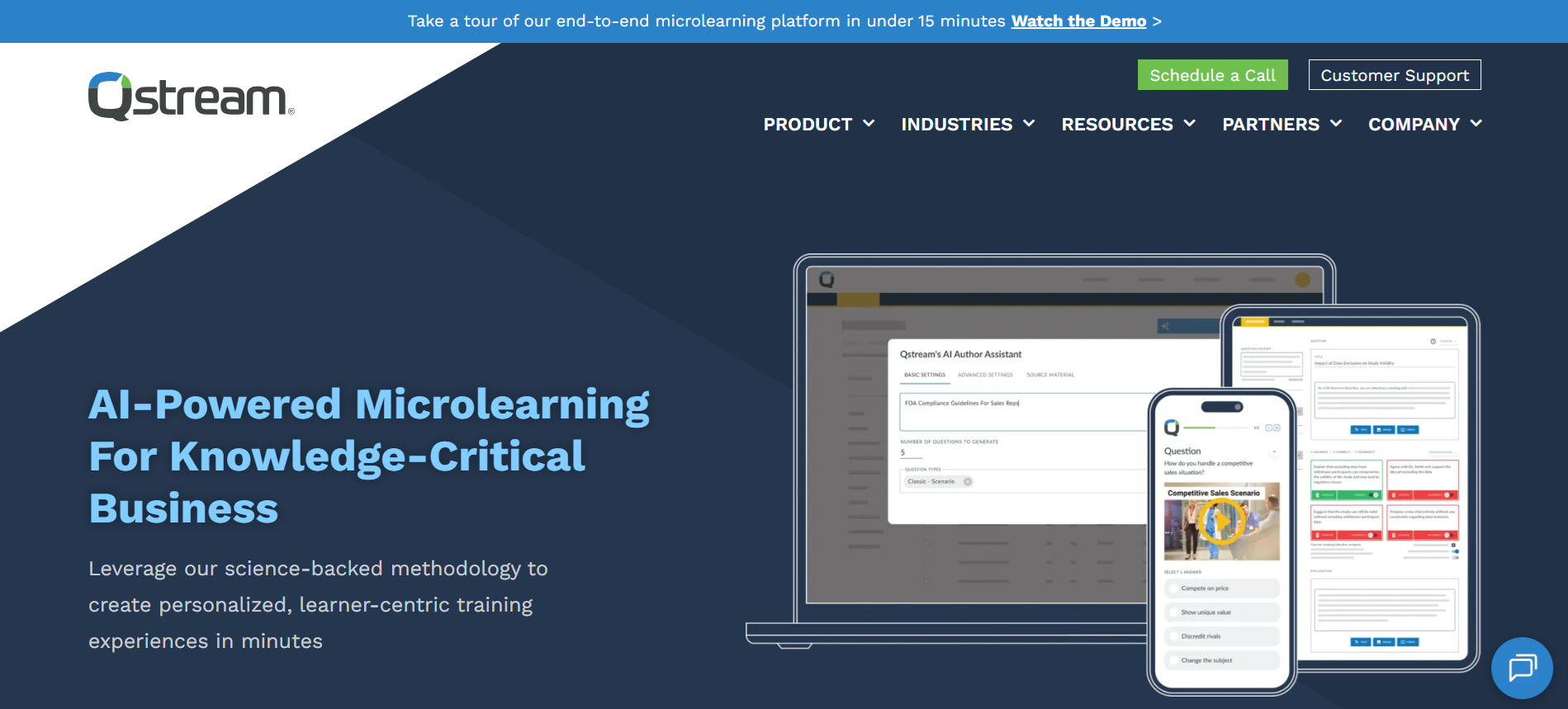
Qstream Admite el microaprendizaje y el refuerzo del conocimiento para ayudar a los equipos a desarrollar habilidades rápidamente. La plataforma se integra con herramientas populares de mensajería y colaboración, como Slack, Microsoft Teams, Webex y más. Los usuarios pueden aprovechar Creación de contenido SCORM y plantillas prediseñadas para la creación rápida de cursos. Las herramientas de análisis monitorizan el rendimiento y destacan las áreas de mejora.
Los segmentos de gamificación fomentan la participación y la motivación. La plataforma está optimizada para dispositivos móviles y diseñada para empleados que necesitan aprender sobre la marcha. Las opciones de personalización avanzadas son limitadas, lo que puede restringir su uso a equipos que requieren diseños de cursos a medida o estructuras de microaprendizaje muy flexibles.
Características principales:
- Biblioteca de plantillas para cursos rápidos
- Herramientas de creación de contenido SCORM
- Experiencia de aprendizaje centrada en dispositivos móviles
- Características de gamificación
- Análisis de rendimiento
¿Qué son las plataformas de microaprendizaje?
Las plataformas de microaprendizaje ofrecen aprendizaje en lecciones cortas y enfocadas. Estas lecciones suelen durar entre 3 y 15 minutos. En lugar de cursos largos que se sienten pesados o lentos, microaprendizaje Divide los temas en pasos pequeños y sencillos que se adaptan a agendas apretadas. Esto ayuda a los estudiantes a comprender las ideas clave más rápido y a retenerlas mejor.
Consejo profesional: El microaprendizaje no es perfecto. Tiene Ventajas y desventajas deberías explorar antes de incorporarlo a programas de formación.
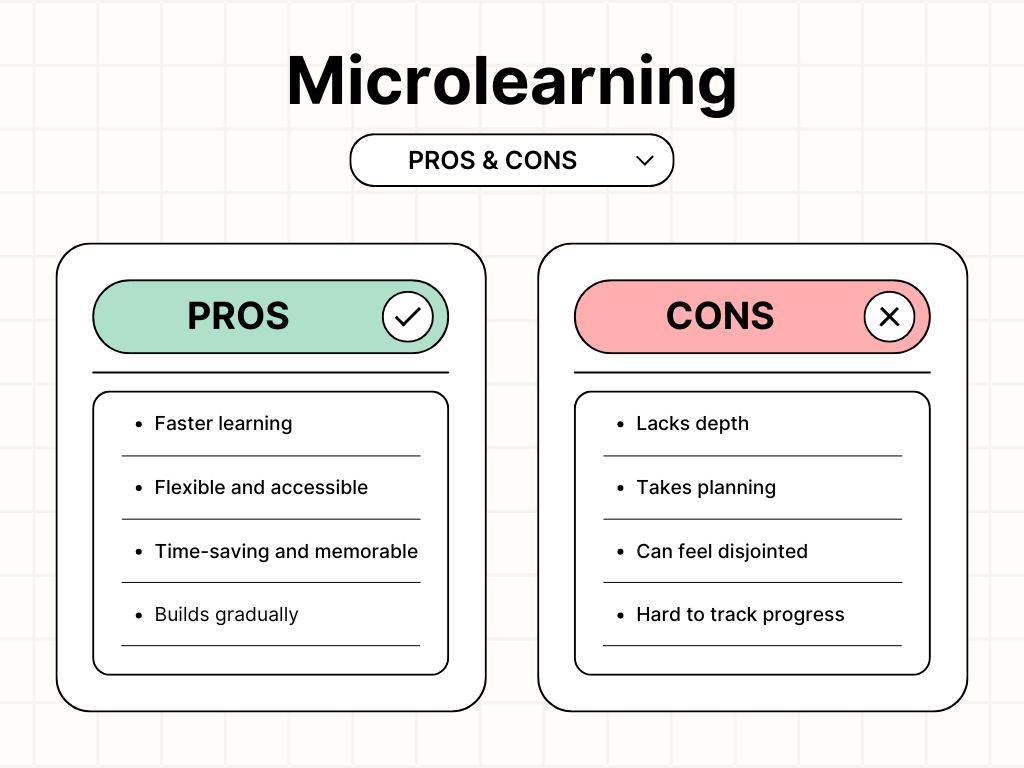
Las plataformas de microaprendizaje suelen incluir cuestionarios, vídeos, tarjetas didácticas y elementos interactivos para que el aprendizaje sea más atractivo y eficaz. Además, funcionan en dispositivos móviles, lo que permite a los usuarios aprender en cualquier momento y a su propio ritmo.
Consejo de experto: Usando un Sistema de gestión del aprendizaje (LMS) de marca blanca Permite que las plataformas de microaprendizaje mantengan su identidad de marca, creando una experiencia de aprendizaje fluida que genera confianza al tiempo que amplía la formación a todos los equipos.
Muchos equipos utilizan plataformas de microaprendizaje para la formación de la plantilla. incorporación, repaso de habilidades, temas de cumplimientoy el crecimiento profesional porque se integran de forma natural en la vida laboral diaria.
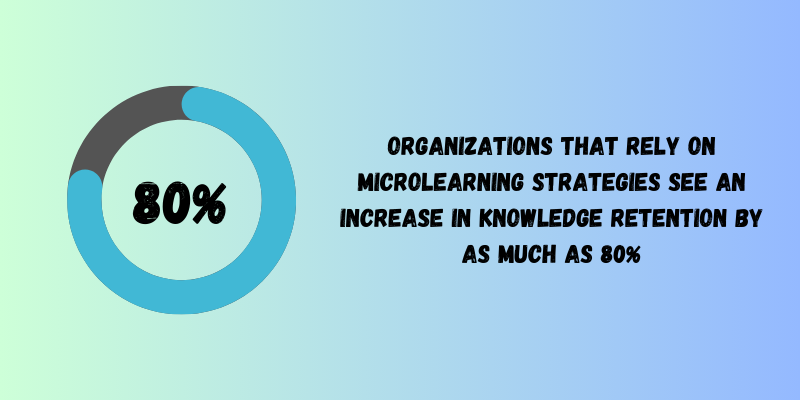
Herramientas creadas para microaprendizaje A menudo incluyen análisis, personalización y búsqueda justo a tiempo para que los estudiantes encuentren lo que necesitan cuando lo necesitan. Algunas soluciones incluso utilizan IA para sugerir contenido o automatizar la creación de lecciones, como Coursebox AI, que convierte el material existente en lecciones breves rápidamente.
Crea microaprendizajes en minutos con la IA de Coursebox
Las plataformas de microaprendizaje ayudan a los profesionales a aprender más rápido, retener conocimientosy mantente involucrado. Coursebox AI ofrece creación de cursos con inteligencia artificial, lecciones interactivas y acceso global para equipos de cualquier tamaño.
Comienza hoy con nuestro plan gratuito. y comprueba con qué rapidez puedes convertir el contenido en lecciones breves y concisas.
Preguntas frecuentes
Preguntas frecuentes
El microaprendizaje ofrece lecciones breves y específicas, diseñadas para enseñar rápidamente un concepto o habilidad. Utiliza videos cortos, cuestionarios, tarjetas didácticas o actividades interactivas para mejorar la retención de conocimientos. El microaprendizaje se adapta a agendas apretadas y ayuda a los estudiantes a asimilar y recordar la información con mayor eficacia que las largas sesiones de capacitación tradicionales.
La mejor plataforma de microaprendizaje depende de tus objetivos y audiencia. Las mejores opciones ofrecen creación de cursos con IA, contenido interactivo, acceso móvil, análisis e integración con otras herramientas. Plataformas como Coursebox AI, EdApp y Axonify destacan por su capacidad para ofrecer lecciones breves y atractivas que fomentan la retención de conocimientos.
Un ejemplo de microaprendizaje es una lección de 5 minutos que enseña una sola habilidad, como usar una función de software, completar un paso de seguridad en el trabajo o revisar el proceso de un producto. Las lecciones pueden incluir videos, tarjetas didácticas, cuestionarios o guías paso a paso que los estudiantes pueden completar en dispositivos móviles o computadoras de escritorio.
Una sesión de microaprendizaje suele durar de 3 a 15 minutos y se centra en un solo tema o habilidad. Las lecciones cortas se adaptan a agendas apretadas y permiten a los alumnos asimilar el contenido sin sobrecargarse. Se puede acceder a las sesiones desde dispositivos móviles, ordenadores o integrarlas en programas de formación más amplios.
Sí, Duolingo utiliza el microaprendizaje ofreciendo lecciones de idiomas breves y específicas que duran solo unos minutos. La plataforma combina cuestionarios, repetición y ejercicios interactivos para reforzar el vocabulario y la gramática, ayudando a los estudiantes a progresar en pasos pequeños y manejables sin largas sesiones de estudio.
Alex Hey
Alex Hey es un marketer técnico con 10 años de experiencia práctica en growth y marketing digital. Cofundó Coursebox junto con Travis Clapp, a quien conoció online cuando buscaba un cofundador para construir un producto de software con impacto global. Trabaja en la oficina de Perth, Australia Occidental, como Director de Operaciones (COO). Antes de Coursebox, construyó el primer embudo automatizado del mundo para captación de pacientes. Tras lanzar Coursebox a mediados de 2023, generó más de 300.000 registros orgánicos para Coursebox. Alex lidera el marketing y el crecimiento digital de Coursebox y colabora con el equipo de desarrollo de producto, aportando pasión por las decisiones de producto basadas en datos y por una experiencia de usuario excepcional. Alex está decidido a construir la forma más fácil del mundo para crear el curso perfecto.

